Buy berchtesgadener-land.eu ?
We are moving the project
berchtesgadener-land.eu .
Are you interested in purchasing the domain
berchtesgadener-land.eu ?
domain@kv-gmbh.de · 0541-91531010
Buy berchtesgadener-land.eu ?
What are currents in lakes?
Currents in lakes are movements of water that flow in a particular direction. These currents can be caused by various factors such as wind, temperature differences, and inflow/outflow of water. Currents play a crucial role in the circulation and mixing of water within a lake, which can affect water quality, nutrient distribution, and the overall ecosystem of the lake. Understanding lake currents is important for managing and preserving the health of lake ecosystems. **
Do lakes have dangerous currents? No, right?
Actually, lakes can have dangerous currents, especially in areas where there are underwater obstructions or changes in depth. These currents can be caused by factors such as wind, inflow and outflow of water, and the shape of the lake bottom. It's important for swimmers, boaters, and other water enthusiasts to be aware of potential currents and take appropriate precautions to stay safe. **


Similar search terms for Currents
Top-Angebote
Products related to Currents:
-
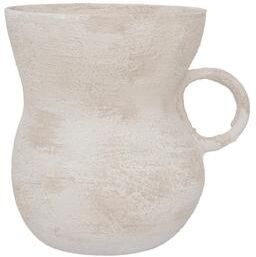
Urban Nature Culture Vase RelaxedQuiet elegancy comes to life in Urban Nature Culture's vase Relaxed. Handmade in Portugal, this ceramic vase has a shape beyond anything you've seen - it's organic, it flows and steals your heart with its playful ear.123,40 $*Shipping: 0,00 $Secure redirect to the provider



-
What are proton currents?
Proton currents refer to the flow of protons, which are positively charged particles, through a medium. This flow of protons can occur in various contexts, such as in biological systems, in proton-conducting materials, or in the context of proton exchange membrane fuel cells. Proton currents are important in many physiological processes, such as the generation of energy in cells through the process of oxidative phosphorylation. In the context of proton-conducting materials and fuel cells, proton currents are important for the generation of electrical energy. **
-
Does Molly like currents?
Yes, Molly likes currents. She enjoys the sweet and tangy flavor of currents and often uses them in her baking and cooking. Whether it's adding them to muffins, scones, or salads, Molly appreciates the burst of flavor that currents provide to her dishes. Overall, currents are a favorite ingredient for Molly to use in her culinary creations. **
-
What are convection currents?
Convection currents are the movement of fluid, such as air or water, due to differences in temperature and density within the fluid. As a fluid is heated, it becomes less dense and rises, while cooler, denser fluid sinks. This creates a circular motion as the heated fluid rises, cools, and then sinks again. Convection currents play a key role in the Earth's atmosphere and oceans, as well as in processes such as heating and cooling systems. **
-
Which aquarium fish like currents?
Fish that enjoy swimming in currents include species like angelfish, clownfish, and tangs. These fish are typically found in coral reef environments where there is natural water movement. Providing a current in the aquarium can help mimic their natural habitat and keep them healthy and active. It is important to research the specific needs of each species to ensure the current is not too strong for them. **


What are the missing currents?
The missing currents refer to the ocean currents that are not well understood or documented due to limited data and research. These currents play a crucial role in the Earth's climate system and can have significant impacts on marine life, weather patterns, and global circulation. By studying and identifying these missing currents, scientists can improve their understanding of the ocean's dynamics and better predict future changes in the climate. **
How do convection currents form?
Convection currents form when there is a difference in temperature within a fluid, such as air or water. When one part of the fluid is heated, it becomes less dense and rises, while the cooler, denser fluid sinks. This creates a circular motion as the heated fluid rises, cools, and then sinks again, creating a convection current. In the Earth's mantle, for example, convection currents are responsible for the movement of tectonic plates. **
Top-Angebote
Products related to Currents:
-
Urban Nature Culture Vase RelaxedQuiet elegancy comes to life in Urban Nature Culture's vase Relaxed. Handmade in Portugal, this ceramic vase has a shape beyond anything you've seen - it's organic, it flows and steals your heart with its playful ear.123,40 $*Shipping: 0,00 $Secure redirect to the provider
-
What are currents in lakes?
Currents in lakes are movements of water that flow in a particular direction. These currents can be caused by various factors such as wind, temperature differences, and inflow/outflow of water. Currents play a crucial role in the circulation and mixing of water within a lake, which can affect water quality, nutrient distribution, and the overall ecosystem of the lake. Understanding lake currents is important for managing and preserving the health of lake ecosystems. **
-
Do lakes have dangerous currents? No, right?
Actually, lakes can have dangerous currents, especially in areas where there are underwater obstructions or changes in depth. These currents can be caused by factors such as wind, inflow and outflow of water, and the shape of the lake bottom. It's important for swimmers, boaters, and other water enthusiasts to be aware of potential currents and take appropriate precautions to stay safe. **
-
What are proton currents?
Proton currents refer to the flow of protons, which are positively charged particles, through a medium. This flow of protons can occur in various contexts, such as in biological systems, in proton-conducting materials, or in the context of proton exchange membrane fuel cells. Proton currents are important in many physiological processes, such as the generation of energy in cells through the process of oxidative phosphorylation. In the context of proton-conducting materials and fuel cells, proton currents are important for the generation of electrical energy. **
-
Does Molly like currents?
Yes, Molly likes currents. She enjoys the sweet and tangy flavor of currents and often uses them in her baking and cooking. Whether it's adding them to muffins, scones, or salads, Molly appreciates the burst of flavor that currents provide to her dishes. Overall, currents are a favorite ingredient for Molly to use in her culinary creations. **
Similar search terms for Currents
-
Urban Nature Culture Vase Talvi - WhiteFloating the sea waves, a sense of calm takes over, feeling at home in the world. That same feeling we get at home, like a safe haven to relax our senses and feast our eyes on our most cherished things.267,80 $*Shipping: 0,00 $Secure redirect to the provider
-
Urban Nature Culture Vase Ace - AceSetting forth a tradition that is centuries old, pottery has ever been one of Portugal's trades. Urban Nature Culture loves to work with Portuguese artisans - who use their skills to combine modern looks and contemporary design with techniques of old.145,60 $*Shipping: 0,00 $Secure redirect to the provider
-
What are convection currents?
Convection currents are the movement of fluid, such as air or water, due to differences in temperature and density within the fluid. As a fluid is heated, it becomes less dense and rises, while cooler, denser fluid sinks. This creates a circular motion as the heated fluid rises, cools, and then sinks again. Convection currents play a key role in the Earth's atmosphere and oceans, as well as in processes such as heating and cooling systems. **
-
Which aquarium fish like currents?
Fish that enjoy swimming in currents include species like angelfish, clownfish, and tangs. These fish are typically found in coral reef environments where there is natural water movement. Providing a current in the aquarium can help mimic their natural habitat and keep them healthy and active. It is important to research the specific needs of each species to ensure the current is not too strong for them. **
-
What are the missing currents?
The missing currents refer to the ocean currents that are not well understood or documented due to limited data and research. These currents play a crucial role in the Earth's climate system and can have significant impacts on marine life, weather patterns, and global circulation. By studying and identifying these missing currents, scientists can improve their understanding of the ocean's dynamics and better predict future changes in the climate. **
-
How do convection currents form?
Convection currents form when there is a difference in temperature within a fluid, such as air or water. When one part of the fluid is heated, it becomes less dense and rises, while the cooler, denser fluid sinks. This creates a circular motion as the heated fluid rises, cools, and then sinks again, creating a convection current. In the Earth's mantle, for example, convection currents are responsible for the movement of tectonic plates. **
* All prices are inclusive of VAT and, if applicable, plus shipping costs. The offer information is based on the details provided by the respective shop and is updated through automated processes. Real-time updates do not occur, so deviations can occur in individual cases. ** Note: Parts of this content were created by AI.