Buy berchtesgadener-land.eu ?
We are moving the project
berchtesgadener-land.eu .
Are you interested in purchasing the domain
berchtesgadener-land.eu ?
domain@kv-gmbh.de · 0541-91531010
Buy berchtesgadener-land.eu ?
Can crabs molt?
Yes, crabs can molt. Molting is the process by which a crab sheds its old exoskeleton and grows a new one. This is necessary for the crab to grow, as its exoskeleton does not grow with its body. During molting, the crab will be vulnerable to predators until its new exoskeleton hardens. **
How do chickens molt?
Chickens molt by shedding their old feathers and growing new ones. This process typically occurs once a year and can last several weeks. During this time, chickens may appear scruffy and may stop laying eggs temporarily as their bodies focus on regrowing feathers. Providing a balanced diet rich in protein and ensuring they have access to clean water can help support chickens through the molting process. **


Similar search terms for Molt
Top-Angebote
Products related to Molt:
-
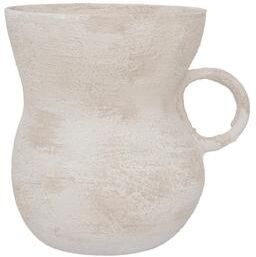
Urban Nature Culture Vase RelaxedQuiet elegancy comes to life in Urban Nature Culture's vase Relaxed. Handmade in Portugal, this ceramic vase has a shape beyond anything you've seen - it's organic, it flows and steals your heart with its playful ear.123,40 $*Shipping: 0,00 $Secure redirect to the provider
-
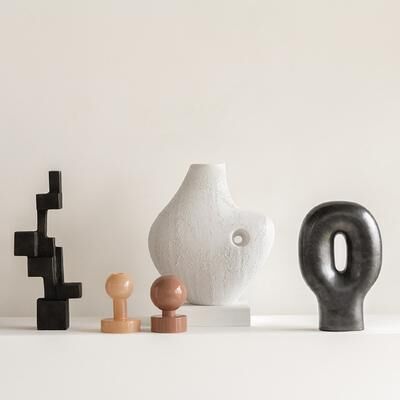
Urban Nature Culture Vase Talvi - WhiteFloating the sea waves, a sense of calm takes over, feeling at home in the world. That same feeling we get at home, like a safe haven to relax our senses and feast our eyes on our most cherished things.267,80 $*Shipping: 0,00 $Secure redirect to the provider
-
Urban Nature Culture Vase Ace - AceSetting forth a tradition that is centuries old, pottery has ever been one of Portugal's trades. Urban Nature Culture loves to work with Portuguese artisans - who use their skills to combine modern looks and contemporary design with techniques of old.145,60 $*Shipping: 0,00 $Secure redirect to the provider


-
How often do peacocks molt?
Peacocks typically molt once a year, usually after the breeding season. During this time, they shed their old feathers and grow new ones. The molting process can take several weeks to complete, and during this time, peacocks may appear less vibrant and colorful as their new feathers grow in. Once the molting process is complete, they will regain their full, majestic appearance. **
-
How often do insects molt?
Insects molt multiple times throughout their life cycle. The frequency of molting varies depending on the species and the stage of development. For example, a young insect may molt several times as it grows and matures, while an adult insect may molt less frequently, if at all. In general, insects molt to shed their exoskeleton and allow for growth and development. **
-
Why doesn't the tarantula molt?
Tarantulas do molt, but they do so less frequently as they age. Young tarantulas may molt several times a year, while older ones may only molt once a year or even less frequently. This is because as they mature, their growth slows down and they reach their full size, so they no longer need to molt as often. Additionally, molting is a risky process for tarantulas, as they are vulnerable to injury or infection during this time, so they may delay molting until it is absolutely necessary. **
-
How often do panther crabs molt?
Panther crabs molt approximately every 4-6 weeks, depending on their age and growth rate. Younger crabs may molt more frequently as they are still growing rapidly, while older crabs may molt less often. Molting is a crucial process for panther crabs as it allows them to shed their old exoskeleton and grow a new, larger one. During molting, the crab is vulnerable to predators and must find a safe place to hide until its new exoskeleton hardens. **

How often does a praying mantis molt?
A praying mantis will molt approximately 6-10 times throughout its lifetime, depending on its species and environmental conditions. Molting is necessary for the mantis to grow and develop, as it allows them to shed their exoskeleton and emerge with a larger one. The frequency of molting decreases as the mantis reaches adulthood, with fewer molts occurring as they reach maturity. **
How do chickens molt in the winter?
Chickens molt in the winter by shedding their old feathers and growing new ones. This process typically begins in the late summer or early fall and can last for several months. During this time, chickens may appear to be more ragged and may stop laying eggs temporarily as their bodies focus on regrowing feathers. It's important to provide extra protein and nutrients to support their feather regrowth during this time. **
Top-Angebote
Products related to Molt:
-
Urban Nature Culture Vase RelaxedQuiet elegancy comes to life in Urban Nature Culture's vase Relaxed. Handmade in Portugal, this ceramic vase has a shape beyond anything you've seen - it's organic, it flows and steals your heart with its playful ear.123,40 $*Shipping: 0,00 $Secure redirect to the provider
-
Can crabs molt?
Yes, crabs can molt. Molting is the process by which a crab sheds its old exoskeleton and grows a new one. This is necessary for the crab to grow, as its exoskeleton does not grow with its body. During molting, the crab will be vulnerable to predators until its new exoskeleton hardens. **
-
How do chickens molt?
Chickens molt by shedding their old feathers and growing new ones. This process typically occurs once a year and can last several weeks. During this time, chickens may appear scruffy and may stop laying eggs temporarily as their bodies focus on regrowing feathers. Providing a balanced diet rich in protein and ensuring they have access to clean water can help support chickens through the molting process. **
-
How often do peacocks molt?
Peacocks typically molt once a year, usually after the breeding season. During this time, they shed their old feathers and grow new ones. The molting process can take several weeks to complete, and during this time, peacocks may appear less vibrant and colorful as their new feathers grow in. Once the molting process is complete, they will regain their full, majestic appearance. **
-
How often do insects molt?
Insects molt multiple times throughout their life cycle. The frequency of molting varies depending on the species and the stage of development. For example, a young insect may molt several times as it grows and matures, while an adult insect may molt less frequently, if at all. In general, insects molt to shed their exoskeleton and allow for growth and development. **
Similar search terms for Molt
-
Urban Nature Culture Vase Talvi - WhiteFloating the sea waves, a sense of calm takes over, feeling at home in the world. That same feeling we get at home, like a safe haven to relax our senses and feast our eyes on our most cherished things.267,80 $*Shipping: 0,00 $Secure redirect to the provider
-
Urban Nature Culture Vase Ace - AceSetting forth a tradition that is centuries old, pottery has ever been one of Portugal's trades. Urban Nature Culture loves to work with Portuguese artisans - who use their skills to combine modern looks and contemporary design with techniques of old.145,60 $*Shipping: 0,00 $Secure redirect to the provider
-
Nature Kare Wellness Jwmax 300 mlNutrition and Supplements Special supplements Nature Kare Wellness Jwmax 300 ml This liquid composition, highly concentrated, contributes to the rehabilitation of damaged cartilage, to the proper functioning of the joints, and to the reduction of pain and inflammation. Precautions: They have not been described. Composition: Water, 20% Glucosamine Sulfate, 12% Chondroitin Sulfate, 5% Methyl Sulfonyl Methane (MSM), Collagen, 2% black currant concentrate juice, forest fruit aroma, 0.5% fish collagen, inulin 0.5%, 0.5% hyaluronic acid, vitamin C (ascorbic acid) 0.12%, preservative (potassium sorbate), sweeteners: sucralose and steviol glycosides from Stevia rebaudiana extract, beta carotene dye, Vitamin D (cholecalciferol) ). How to use: Take 10 ml 1 time a day, preferably before breakfast.34,20 £*Shipping: 3,99 £Secure redirect to the provider
-
Why doesn't the tarantula molt?
Tarantulas do molt, but they do so less frequently as they age. Young tarantulas may molt several times a year, while older ones may only molt once a year or even less frequently. This is because as they mature, their growth slows down and they reach their full size, so they no longer need to molt as often. Additionally, molting is a risky process for tarantulas, as they are vulnerable to injury or infection during this time, so they may delay molting until it is absolutely necessary. **
-
How often do panther crabs molt?
Panther crabs molt approximately every 4-6 weeks, depending on their age and growth rate. Younger crabs may molt more frequently as they are still growing rapidly, while older crabs may molt less often. Molting is a crucial process for panther crabs as it allows them to shed their old exoskeleton and grow a new, larger one. During molting, the crab is vulnerable to predators and must find a safe place to hide until its new exoskeleton hardens. **
-
How often does a praying mantis molt?
A praying mantis will molt approximately 6-10 times throughout its lifetime, depending on its species and environmental conditions. Molting is necessary for the mantis to grow and develop, as it allows them to shed their exoskeleton and emerge with a larger one. The frequency of molting decreases as the mantis reaches adulthood, with fewer molts occurring as they reach maturity. **
-
How do chickens molt in the winter?
Chickens molt in the winter by shedding their old feathers and growing new ones. This process typically begins in the late summer or early fall and can last for several months. During this time, chickens may appear to be more ragged and may stop laying eggs temporarily as their bodies focus on regrowing feathers. It's important to provide extra protein and nutrients to support their feather regrowth during this time. **
* All prices are inclusive of VAT and, if applicable, plus shipping costs. The offer information is based on the details provided by the respective shop and is updated through automated processes. Real-time updates do not occur, so deviations can occur in individual cases. ** Note: Parts of this content were created by AI.