Buy berchtesgadener-land.eu ?
We are moving the project
berchtesgadener-land.eu .
Are you interested in purchasing the domain
berchtesgadener-land.eu ?
domain@kv-gmbh.de · 0541-91531010
Buy berchtesgadener-land.eu ?
What is the water-red cabbage experiment?
The water-red cabbage experiment is a simple science experiment where red cabbage is used as a pH indicator to test the acidity or alkalinity of different substances. The red cabbage contains a pigment that changes color depending on the pH level of the solution it is placed in. By adding red cabbage juice to various substances and observing the color change, one can determine whether the substance is acidic, neutral, or alkaline. This experiment is a fun and educational way to learn about pH levels and chemical reactions. **
Why is N1N1 N2?
N1 is N2 because of the relationship between the two entities. N1N1 N2 because N1 has a direct influence or impact on N2, or because N1 is a subset or part of N2. This relationship could be based on various factors such as causality, dependency, categorization, or containment. Ultimately, N1N1 N2 because of the specific connection or association between the two. **

Similar search terms for Ovid-Experiment-Red-N2
Top-Angebote
Products related to Ovid-Experiment-Red-N2:
-
"""Ovid Hexameter 2021 Red Wine - California""""""Capturing this glorious season, the 2021 Ovid Hexameter displays notes of black cherry, plum, lavender, sage, violet candies, orange rind and crushed bay leaf. Broad and captivating on the palate, this wine exudes power and grace with burnished..."374,99 $*Shipping: 0,00 $Secure redirect to the provider



-
What is a biology experiment with red beets?
One common biology experiment involving red beets is studying osmosis. In this experiment, slices of red beet are placed in different concentrations of salt water to observe how the movement of water affects the color and texture of the beet slices. This experiment helps students understand the process of osmosis, where water moves from an area of high concentration to an area of low concentration across a semi-permeable membrane. It also demonstrates how cells can swell or shrink depending on the surrounding environment. **
-
What is the red cabbage juice experiment in chemistry?
The red cabbage juice experiment is a common chemistry experiment used to demonstrate the concept of pH. Red cabbage contains a pigment called anthocyanin, which changes color depending on the acidity or alkalinity of its environment. In the experiment, red cabbage juice is used as a pH indicator to test the acidity or alkalinity of various substances. When the cabbage juice is added to a substance, it changes color based on the pH of that substance, allowing students to visually observe the pH level. This experiment is a simple and effective way to introduce students to the concept of pH and the properties of acids and bases. **
-
What is the experiment with biomembranes and red cabbage?
The experiment with biomembranes and red cabbage involves using red cabbage juice as a natural pH indicator to study the permeability of biomembranes. The red cabbage juice changes color in response to changes in pH, allowing researchers to observe how different substances affect the integrity of biomembranes. By measuring the color changes in the red cabbage juice, scientists can determine the impact of various factors on the permeability of biomembranes, providing valuable insights into cell membrane function and structure. **
-
Why was Ovid exiled?
Ovid was exiled by the Roman Emperor Augustus in 8 AD for reasons that remain unclear. Some theories suggest that Ovid may have offended Augustus with his poetry, particularly in his work "Ars Amatoria," which was seen as promoting adultery and immorality. Another theory is that Ovid may have been privy to a scandal involving Augustus' granddaughter, Julia, and her subsequent banishment, leading to his own exile as a precaution. Ultimately, the true reason for Ovid's exile remains a mystery. **


How do you scan Ovid?
To scan Ovid, one should start by reading the text aloud to identify the meter and rhythm. Pay attention to the pattern of stressed and unstressed syllables to determine the metrical structure. Look for recurring patterns such as iambs or dactyls, and mark the stresses accordingly. Practice reading the text with the correct stress and rhythm to fully understand the poetic form and appreciate the musicality of Ovid's writing. **
Laplace experiment or non-Laplace experiment?
A Laplace experiment is a random experiment in which all outcomes are equally likely. A non-Laplace experiment is a random experiment in which all outcomes are not equally likely. An example of a Laplace experiment is rolling a fair six-sided die, where each outcome has an equal probability of 1/6. An example of a non-Laplace experiment is drawing a card from a standard deck, where the probability of each outcome depends on the number of cards remaining in the deck. **
Top-Angebote
Products related to Ovid-Experiment-Red-N2:
-
"""Ovid Experiment Red N2.7 2017 Red Wine - California""""""The 2017 Experiment N2.7 is the second vintage from this series. Primarily Cabernet Sauvignon with small, nearly equal amounts of Merlot, Petit Verdot and Cabernet Franc, the wine intrigues with notes of blackberry, cola, cocoa nibs, licorice and..."181,99 $*Shipping: 0,00 $Secure redirect to the provider
-
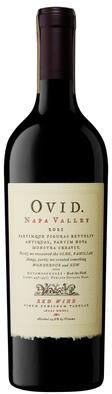
"""Ovid 2021 Red Wine - California""""""Loquacious in its approach, the 2021 Ovid Napa Valley offers notes of fresh mulberry, kola nut, blackberry, black cherry, flint and bay laurel that are striking in purity. Broad and enveloping, this wine delivers undeniably delicious power and will..."430,99 $*Shipping: 0,00 $Secure redirect to the provider
-
"""Ovid Hexameter 2021 Red Wine - California""""""Capturing this glorious season, the 2021 Ovid Hexameter displays notes of black cherry, plum, lavender, sage, violet candies, orange rind and crushed bay leaf. Broad and captivating on the palate, this wine exudes power and grace with burnished..."374,99 $*Shipping: 0,00 $Secure redirect to the provider
-
What is the water-red cabbage experiment?
The water-red cabbage experiment is a simple science experiment where red cabbage is used as a pH indicator to test the acidity or alkalinity of different substances. The red cabbage contains a pigment that changes color depending on the pH level of the solution it is placed in. By adding red cabbage juice to various substances and observing the color change, one can determine whether the substance is acidic, neutral, or alkaline. This experiment is a fun and educational way to learn about pH levels and chemical reactions. **
-
Why is N1N1 N2?
N1 is N2 because of the relationship between the two entities. N1N1 N2 because N1 has a direct influence or impact on N2, or because N1 is a subset or part of N2. This relationship could be based on various factors such as causality, dependency, categorization, or containment. Ultimately, N1N1 N2 because of the specific connection or association between the two. **
-
What is a biology experiment with red beets?
One common biology experiment involving red beets is studying osmosis. In this experiment, slices of red beet are placed in different concentrations of salt water to observe how the movement of water affects the color and texture of the beet slices. This experiment helps students understand the process of osmosis, where water moves from an area of high concentration to an area of low concentration across a semi-permeable membrane. It also demonstrates how cells can swell or shrink depending on the surrounding environment. **
-
What is the red cabbage juice experiment in chemistry?
The red cabbage juice experiment is a common chemistry experiment used to demonstrate the concept of pH. Red cabbage contains a pigment called anthocyanin, which changes color depending on the acidity or alkalinity of its environment. In the experiment, red cabbage juice is used as a pH indicator to test the acidity or alkalinity of various substances. When the cabbage juice is added to a substance, it changes color based on the pH of that substance, allowing students to visually observe the pH level. This experiment is a simple and effective way to introduce students to the concept of pH and the properties of acids and bases. **
Similar search terms for Ovid-Experiment-Red-N2
-
What is the experiment with biomembranes and red cabbage?
The experiment with biomembranes and red cabbage involves using red cabbage juice as a natural pH indicator to study the permeability of biomembranes. The red cabbage juice changes color in response to changes in pH, allowing researchers to observe how different substances affect the integrity of biomembranes. By measuring the color changes in the red cabbage juice, scientists can determine the impact of various factors on the permeability of biomembranes, providing valuable insights into cell membrane function and structure. **
-
Why was Ovid exiled?
Ovid was exiled by the Roman Emperor Augustus in 8 AD for reasons that remain unclear. Some theories suggest that Ovid may have offended Augustus with his poetry, particularly in his work "Ars Amatoria," which was seen as promoting adultery and immorality. Another theory is that Ovid may have been privy to a scandal involving Augustus' granddaughter, Julia, and her subsequent banishment, leading to his own exile as a precaution. Ultimately, the true reason for Ovid's exile remains a mystery. **
-
How do you scan Ovid?
To scan Ovid, one should start by reading the text aloud to identify the meter and rhythm. Pay attention to the pattern of stressed and unstressed syllables to determine the metrical structure. Look for recurring patterns such as iambs or dactyls, and mark the stresses accordingly. Practice reading the text with the correct stress and rhythm to fully understand the poetic form and appreciate the musicality of Ovid's writing. **
-
Laplace experiment or non-Laplace experiment?
A Laplace experiment is a random experiment in which all outcomes are equally likely. A non-Laplace experiment is a random experiment in which all outcomes are not equally likely. An example of a Laplace experiment is rolling a fair six-sided die, where each outcome has an equal probability of 1/6. An example of a non-Laplace experiment is drawing a card from a standard deck, where the probability of each outcome depends on the number of cards remaining in the deck. **
* All prices are inclusive of VAT and, if applicable, plus shipping costs. The offer information is based on the details provided by the respective shop and is updated through automated processes. Real-time updates do not occur, so deviations can occur in individual cases. ** Note: Parts of this content were created by AI.